022025-10
Coconut Shell Activated Carbon for Gold Recovery
A practical guide to coconut-shell activated carbon for gold recovery: iodine value, hardn

Applications / Water Treatment
Drinking, industrial or ultrapure water — different carbon logic. This page breaks it down.
| Scenario | Requirement | Recommended | Key Spec |
|---|---|---|---|
| Drinking water (municipal / household purifiers) | Chlorine removal, organic removal, better taste | Coconut shell water carbon | Iodine ≥1000, methylene blue ≥9.0 |
| Industrial feed water (power / petrochemical) | Large volume, backwash-tolerant | Coconut / coal granular carbon | Iodine ≥950, high hardness |
| Ultrapure water | Very low ash, no ion release | High-purity coconut carbon | Iodine 1000–1500, ash ≤3 |
Free of harmful solubles, noticeably improves taste and removes residual chlorine and organic contaminants. Iodine ≥1000 and methylene blue ≥9.0 is the mainstream grade.
Power-plant and petrochemical raw-water treatment handle large volumes; the carbon must survive backwash and last long, so hardness is the hard requirement.
For electronics and pharmaceutical ultrapure water, ash must be low (≤3%) so no ions are released to contaminate the water; use high-iodine, high-purity coconut carbon.
Adsorption activity; drinking / industrial water mainstream is ≥950–1000, ultrapure water 1000–1500.
Ultrapure water requires ≤3% — higher ash releases ions that contaminate the water.
Decolorization and organics adsorption; ≥9.0 is the premium water grade.
6–16 / 10–24 mesh by use; determines flow resistance and contact efficiency.
| Your Situation | Recommended | Product |
|---|---|---|
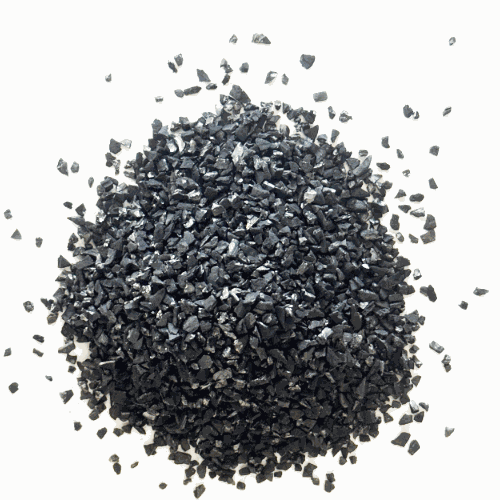
| Household purifier, water dispenser | Coconut shell water carbon (iodine ≥1000) | Coconut Shell Water Treatment Carbon |
| Power / petrochemical raw water, performance-first | Coconut water carbon (granular, hardness-first) | Coconut Shell Water Treatment Carbon |
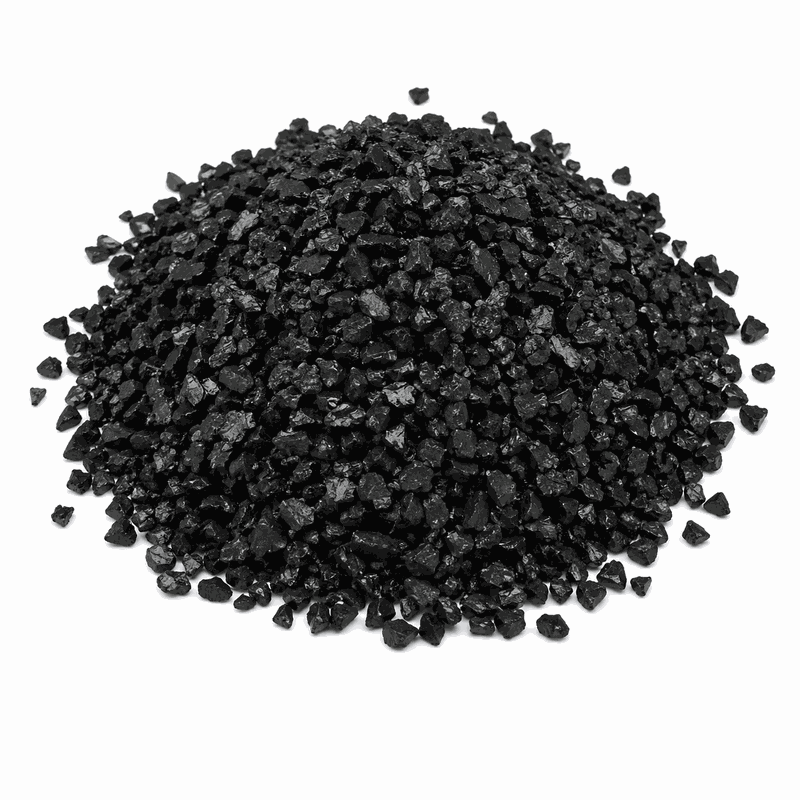
| Power / petrochemical raw water, cost-first | Coal granular carbon (iodine 700–1100) | Coal Granular Activated Carbon |
| Drinking water, performance-first | Coal briquette carbon (strength ≥95, low floating) | Coal Briquette Activated Carbon |
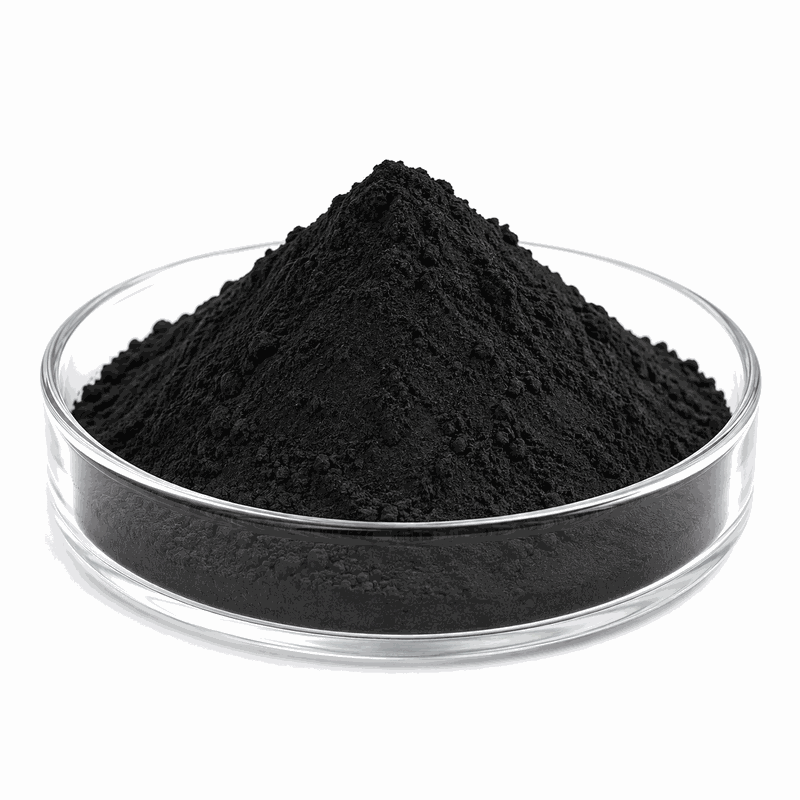
| Industrial wastewater, powder dosing | Coal powdered carbon (cost-first, fast dosing) | Coal Powdered Activated Carbon |
| Electronics / pharma ultrapure water | High-purity coconut carbon (ash ≤3, custom) | Coconut Shell Water Treatment Carbon |
Not ideally. Drinking water needs low-ash carbon free of harmful solubles (coconut, iodine ≥1000), while industrial feed water prioritises hardness and backwash survival at volume. Match the grade to the water source and its final use.
Ash releases ions into the water. Electronics and pharmaceutical ultrapure duty requires ash ≤3% so the carbon does not contaminate the treated water.
Mainstream drinking-water grade is iodine ≥1000 mg/g with methylene blue ≥9.0 — strong adsorption of chlorine, taste and organics without harmful solubles.
Coconut is higher purity and performance for drinking and ultrapure water; coal granular carbon (iodine 700–1100) is the cost-effective choice for large-volume industrial and wastewater duty.
A practical guide to coconut-shell activated carbon for gold recovery: iodine value, hardn
How activated carbon treats mining wastewater and recovers gold in CIP/CIL circuits: grade
Why coal-based pellet (extruded) activated carbon suits industrial water & wastewater: str
Send us your requirements — we reply within 24 hours with a quotation and recommendation.