
Activated carbon comes in three main physical forms — granular, pellet and powdered — and choosing between them is a decision that shapes the whole treatment system. Each form has a different strength, pressure-drop profile and adsorption speed, and each fits a different kind of application. Getting this right at the start avoids an expensive redesign later.
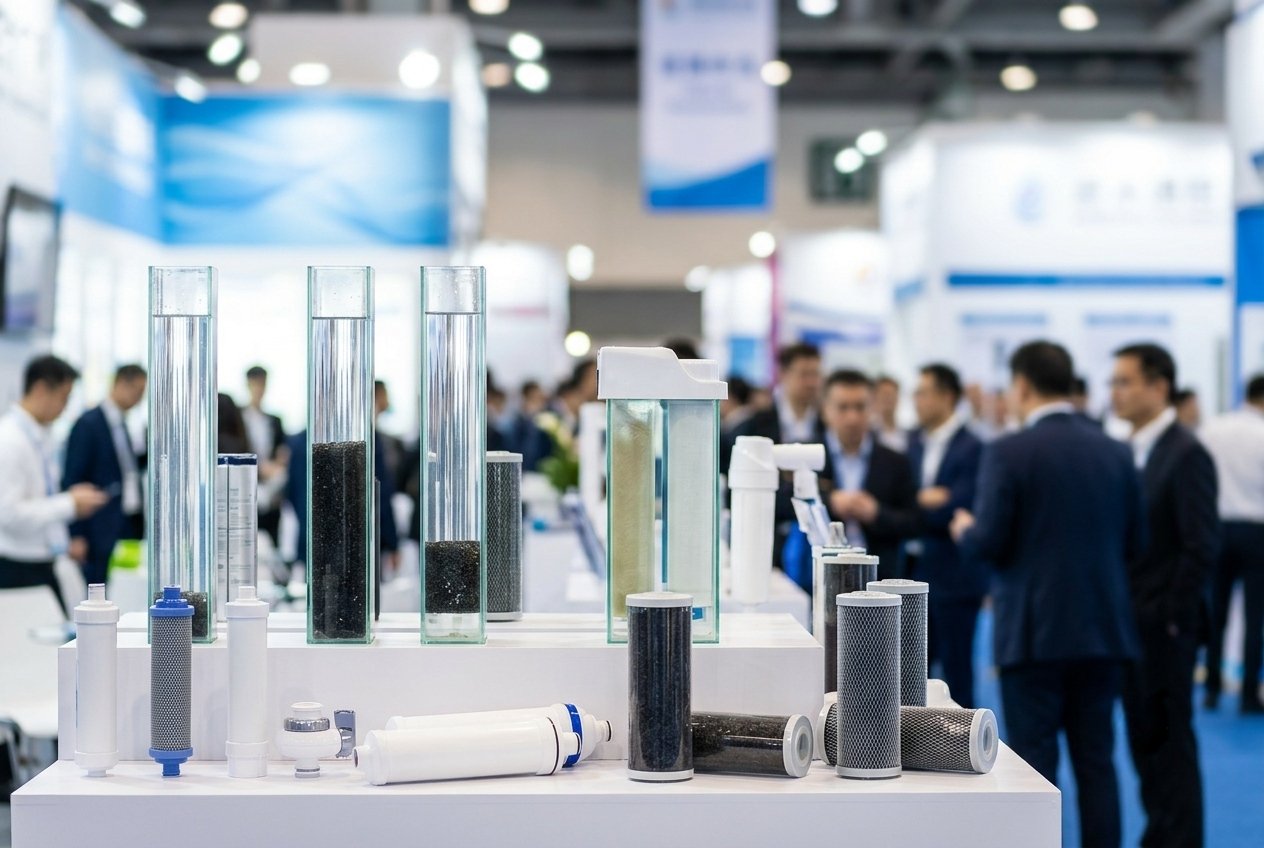
Granular Activated Carbon (GAC)
GAC is crushed and screened into irregular particles, typically from 0.4 mm up to 4 mm. Its open, irregular structure gives fast adsorption and easy backwashing, which makes it the standard choice for fixed-bed filters and large municipal vessels. GAC is the workhorse for drinking water, wastewater polishing and gold recovery, where the carbon stays in the bed for months or years and the water flows through continuously.
Pellet (Extruded) Carbon
Pellet carbon is formed by extruding carbon powder into uniform cylinders, usually 0.9 mm to 8 mm in diameter. The regular shape packs evenly, producing a low, predictable pressure drop and high mechanical strength — properties that matter when you are pushing high flow rates through an industrial bed. Pellets resist attrition during backwash and handling, generating fewer fines and protecting downstream membranes and resins.
Powdered Activated Carbon (PAC)
PAC is carbon ground to a fine powder, typically 100 to 325 mesh. Because the particles are tiny, adsorption is fast and the carbon is dosed directly into the water and later removed with the sludge. PAC is the tool of choice for seasonal taste-and-odour events, colour spikes and emergency response — there is no bed to build, just a dosing point and a mixing step.
How to Decide
The choice usually comes down to three questions. Is the carbon staying in a fixed bed or being dosed and discarded? Fixed beds favour GAC or pellets; dose-and-remove duty favours PAC. How high is the flow rate? High-flow industrial beds lean toward pellets for their low pressure drop. And how variable is the contaminant load? If it spikes seasonally, a PAC dosing step gives you the flexibility a fixed bed cannot.
It is also common to combine forms: GAC for continuous treatment and PAC for peak-load or emergency response. Matching the form to the job — rather than forcing one product onto every problem — is what keeps both performance and cost in line.
FAQ
Which form has the longest bed life?
Pellet carbon generally lasts longest in aggressive industrial duty because its high strength resists attrition; GAC follows closely in standard water service.
Can I switch from GAC to pellet carbon in the same vessel?
Often yes, but confirm the backwash rate and pressure-drop limits first, since pellets have a higher bulk density and need a stronger backwash.
Is PAC more expensive than GAC?
Per kilogram PAC is usually cheaper, but because it is used once and discarded, the life-cycle cost depends on how often you need to dose.
Tell us your flow rate, vessel design and contaminant — we will recommend the right form and grade within 24 hours.