
Southeast Asia is urbanising faster than almost anywhere else on earth, and water treatment is struggling to keep pace. That gap is driving strong, sustained demand for activated carbon across the region — from drinking water and food processing to industrial wastewater. For buyers and distributors in the region, understanding where that demand is coming from makes it easier to source the right grades at the right time.
What Is Driving Demand
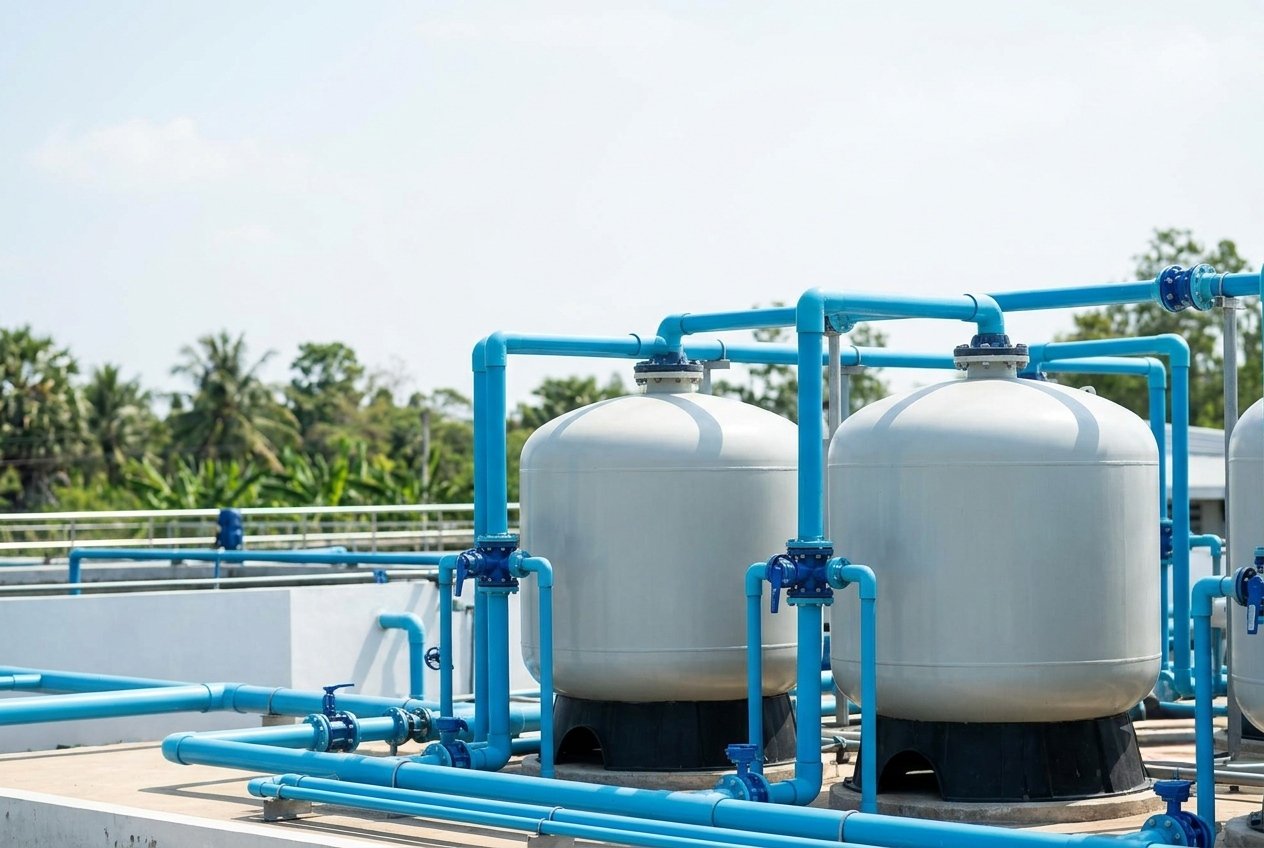
Three forces are behind the growth. First, expanding municipal networks are installing granular carbon beds to handle rising organic loads and taste-and-odour complaints. Second, a large food and beverage industry needs certified, low-ash carbon for process-water polishing and decolorization. Third, a growing industrial base — textiles, electronics, chemicals — needs dependable pellet and powdered carbon for wastewater and process water. Each sector pulls a different grade, which is why a broad product range matters as much as any single specification.
The Grades in Highest Demand
Coconut-shell GAC is the preferred choice for drinking-water filters and premium filtration, valued for its hardness and low ash. Coal-based GAC handles municipal and industrial water treatment at scale, where cost per tonne matters. Powdered carbon is widely used for sugar and beverage decolorization, while pellet carbon serves industrial gas and water applications that need high mechanical strength.
Sourcing Considerations for the Region
Buyers in Southeast Asia face the same questions as buyers anywhere, plus a few regional ones. Confirm the grade is matched to the application — a food-grade spec differs from a wastewater spec. Check that the documentation will pass customs and satisfy the end customer, since paper errors delay clearance. And think about lead time: sea freight dominates, so a supplier with predictable production and clean documentation is worth more than one with a slightly lower unit price.
For distributors, consistency and documentation are the two things that protect a resale business. The carbon you deliver this month must match what you delivered last month, and the paperwork must be complete every time. Those are the qualities that turn a first order into a repeat customer.
For buyers in the region, the practical questions are consistency and logistics. Confirm the supplier can hold the same grade across repeat orders — municipal projects often specify carbon years in advance — and check freight reliability to your port, since delivery windows on infrastructure projects are usually fixed. A supplier that tests every batch and ships with a certificate of analysis takes the guesswork out of compliance and keeps project timelines on track.
FAQ
Which carbon is most used for drinking water in Southeast Asia?
Coconut-shell GAC is the common choice for household and municipal filters, while coal-based GAC covers larger municipal plants.
What should a food and beverage buyer check?
Ask for food-grade or low-ash grades with the applicable purity and test documentation for your market.
What is a typical lead time to the region?
Production is typically 7–15 days after order confirmation, plus sea freight to your port.
If you are sourcing activated carbon for a project in Southeast Asia, contact us for samples, datasheets and a quotation.